
Face surgery aims to address the structural changes that occur in the lower face and neck over time. By addressing the underlying tissues and removing excess skin where appropriate, the procedure supports your facial features rather than disguising them.
Facelift surgery is an outpatient procedure meaning you can generally leave the hospital on the day of your surgery. All surgery carries risk; swelling and bruising are common side affects post surgery and recovery from facelift surgery generally takes up to 12 weeks.
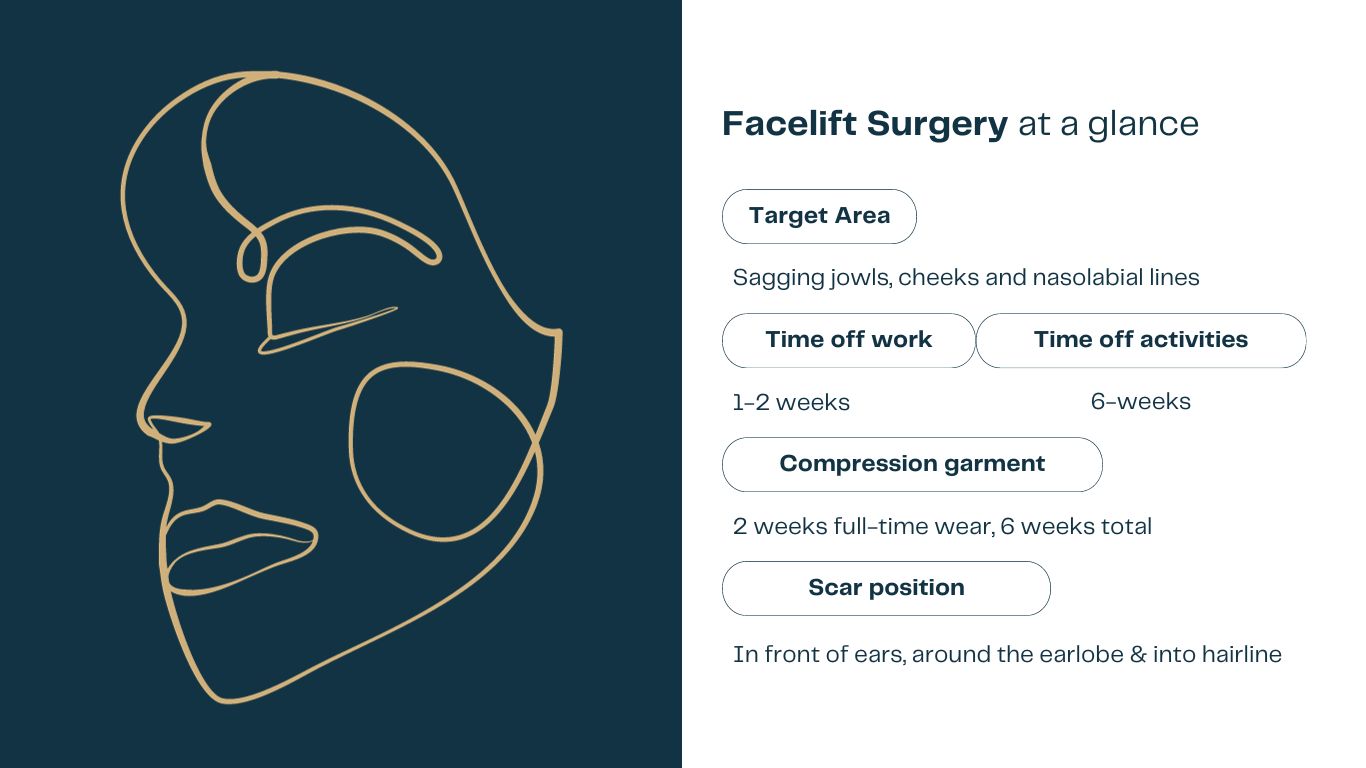
What is a Face Lift?
Face lift surgery, also known as Rhytidectomy is a cosmetic surgery procedure that addresses physical changes to the lower face and neck. It can be performed on both men and women of varying ages. This includes changes in skin elasticity, muscle tone, and the position of facial fat. His surgical approach depends on the area being addressed and the individual’s specific anatomical features.
Located on the Gold Coast, Queensland, Specialist Plastic Surgeon Dr Mark Doyle is a senior facial surgeon, with over 30 years’ experience. His work is guided by evidence-based techniques and patient care. Learn more about Dr Mark Doyle.
What Dr Mark Doyle Believes
“Supporting the natural ageing process is central to my approach. Before surgery, I talk patients through every detail — from anatomy to recovery — so they can make informed decisions.” – Dr Mark Doyle.
Specialist Plastic Surgeon Dr Mark Doyle offers face lift surgery to patients on the Gold Coast and Brisbane, QLD.
Different Types of Facelift
All patients considering a face lift should discuss their options with a qualified Plastic Surgeon at a consultation. Dr Mark Doyle performs different techniques, such as a full face lift and neck lift, using the SMAS face lift and deep plane facelift technique. A face lift procedure also varies in extensiveness, depending on your concerns.
Mini Face Lift
Mini face lift is typically considered to be less invasive than the full facelift and is often recommended for those under 40 years of age. When performed alone, the mini face lift does not necessarily address concerns in the upper face, mid face or neck region. It is important to have an open discussion with Dr Mark Doyle about your aesthetic goals as you may wish to consider full facelift surgery or neck lift surgery.
Mini Facelift vs Midface Lift
Mini facelifts and mid face lifts can at times be confused with one another. It is important to note that they are two different procedures that serve different purposes:
- A mini face lift procedure may assist to address concerns in the lower half of your face, such as excess skin in the lower face.
- A midface lift, on the other hand, is performed to target the middle half of your face. This includes concerns such as excess skin around the cheek area. Dr Doyle does not perform a mid-facial lift alone, but rather as part of a full facelift procedure.
Full Face Lift
Face lift for changes in jawline definition that can occur with age is the standard facial surgical procedure that uses the SMAS technique. This may be recommended as a combination neck and lower face lift. A full facelift addresses both the skin and the underlying tissue (using an ‘S Lift’ technique). This method typically involves a deeper level of tissue repositioning in the face and neck. The incisions for this procedure generally extend behind the ear and therefore, this procedure may assist with lifting the mid face region too.
SMAS Lift
The superficial musculoaponeurotic system, or SMAS, is a fibrous network that is made up of the platysma muscle, the parotid fascia, and the fibromuscular layer on the cheek. The SMAS face-lifting technique addressed the SMAS layer of muscle and tissue just beneath the skin. This is addressed in a surgical technique which repositions the SMAS layer to support tissue structure in the lower face and jawline. SMAS technique involves making small incisions around the ear, which are then used to address the excess skin and underlying tissue. By focusing on this layer, Dr Doyle can address skin laxity along what is commonly referred to as ‘the jowls’ and chin, addressing concerns in the lower third of the face.
Deep Plane Facelift
This procedure uses a similar technique to a full facelift, yet extends to the deeper layer of tissues below the SMAS layer. In this procedure, Dr Doyle repositions the skin, fat and muscle as a single unit. Certain ligaments may be released beneath this layer, allowing Dr Doyle to reposition certain tissues at a deeper level, often into the mid-face. Areas such as the cheeks and nasolabial folds may be addressed this way. The recovery period is generally much longer than a SMAS facelift. Patients should bring their questions to a consultation with Dr Doyle where information on the surgical techniques can be discussed in line with the patient’s concerns and aesthetic goals.
Book a consultation with Dr Doyle
Every patient has a unique anatomy and treatment goals. Ultimately suitability for deep plane facelift vs SMAS should be determined during a personalised consultation. A SMAS facelift is often performed to address changes in the lower face and jawline, while a deep plane facelift is a procedure that aims to address mid-face tissue descent and only a thorough discussion and examination can determine suitability for either.
Various procedures can be combined with facelift surgery. This includes liposuction, typically that of the neck and chin area, facial fat transfer and eyelid or brow surgery.
Dr Mark Doyle routinely combines the above procedures in his facial surgery. Under current regulations, a valid GP referral is required before attending a cosmetic surgery consultation.
Face Lift Procedure
A cosmetic face lift procedure is performed under general anesthesia and takes approximately 3 to 5 hours. Dr Doyle performs all of his surgery at John Flynn Private Hospital, located in Tugun on the Gold Coast, Queensland.
Facelift Incisions
During your surgical face lift treatment, Dr Doyle will make incisions both in front of and behind the ear, extending into the hairline. Excess skin is then removed and the deeper tissues are lifted. The facial skin is then repositioned and the incisions are closed.
Mini Facelift Incisions
A mini facelift procedure is sometimes called a short scar facelift, because of the technique used. The mini facelift incision can be smaller in size, when compared to a full facelift. It involves making small incisions in front of (and not behind) the ear. Therefore, this can result in lessor scarring, when compared with a full facelift.
Recovery
A facelift procedure generally requires up to 12 weeks to recover. Most face lift patients go home on the same day of surgery, although some patients may stay overnight in hospital.
For the first days post surgery, your face may have intermittent swelling and bruising. This will generally dissipate within 3-6 weeks. In line with recommendations for surgery recovery, you are required to keep activities to a minimum and follow your post-surgery care instructions for at least 6 -12 weeks post surgery.
Right Candidate
A surgical face lift is not suitable for everyone. As a general rule, candidates should be healthy and a non-smoker (or willing to give up smoking). They must also understand the risks and have realistic expectations of cosmetic surgery.
A facelift may be suitable for you if you have:
- excess skin
- changes in the skin and soft tissue between the nose and mouth that can deepen over time.
- excess skin or excess fat deposits under the chin and jaw
- fat loss in the central face
If your goal is to reduce excess facial skin, a facelift may be suitable for you. Gold Coast Specialist Plastic Surgeon Dr Mark Doyle will discuss your specific concerns and requirements during your initial consultation.
Face Lift Before and After
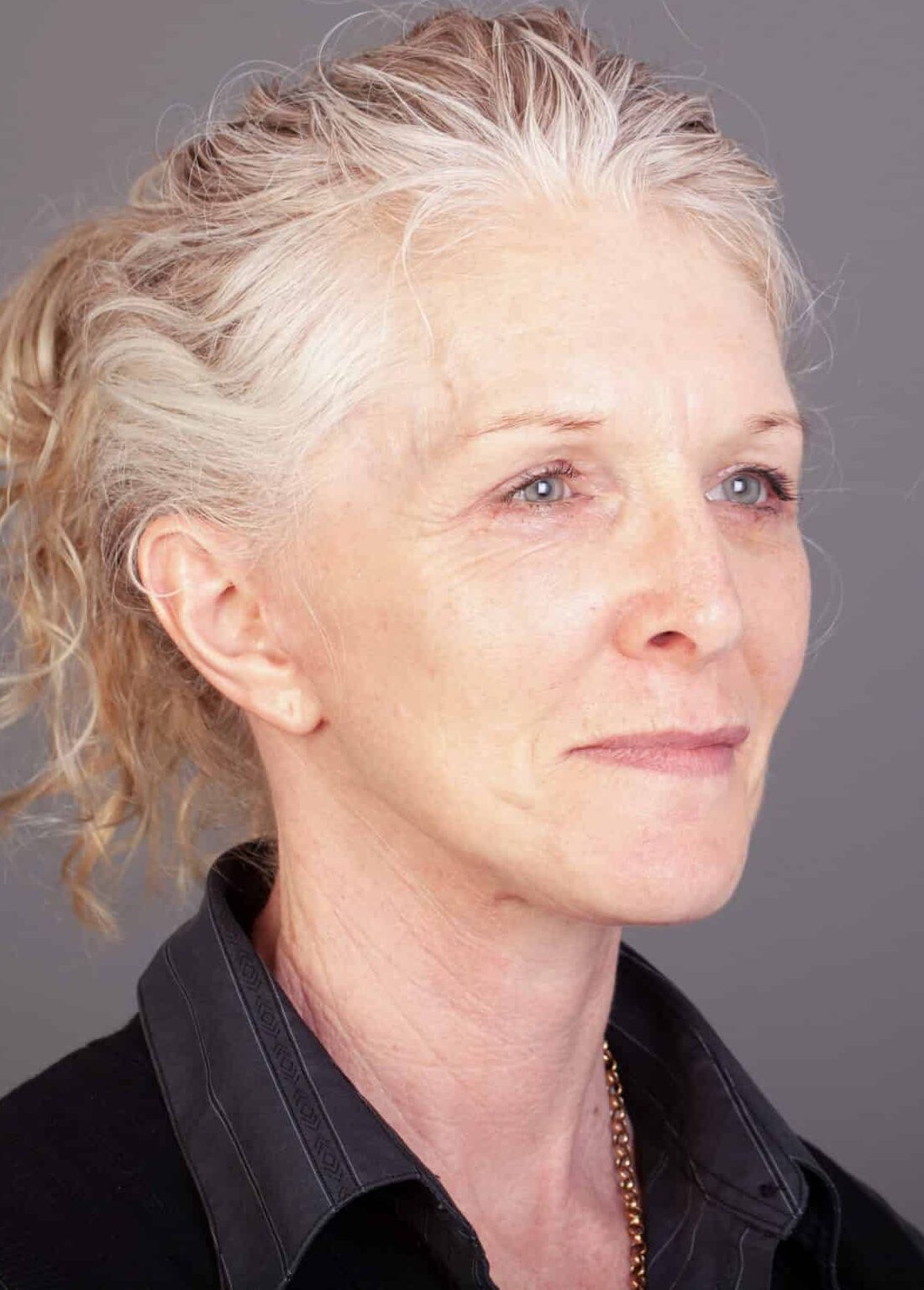
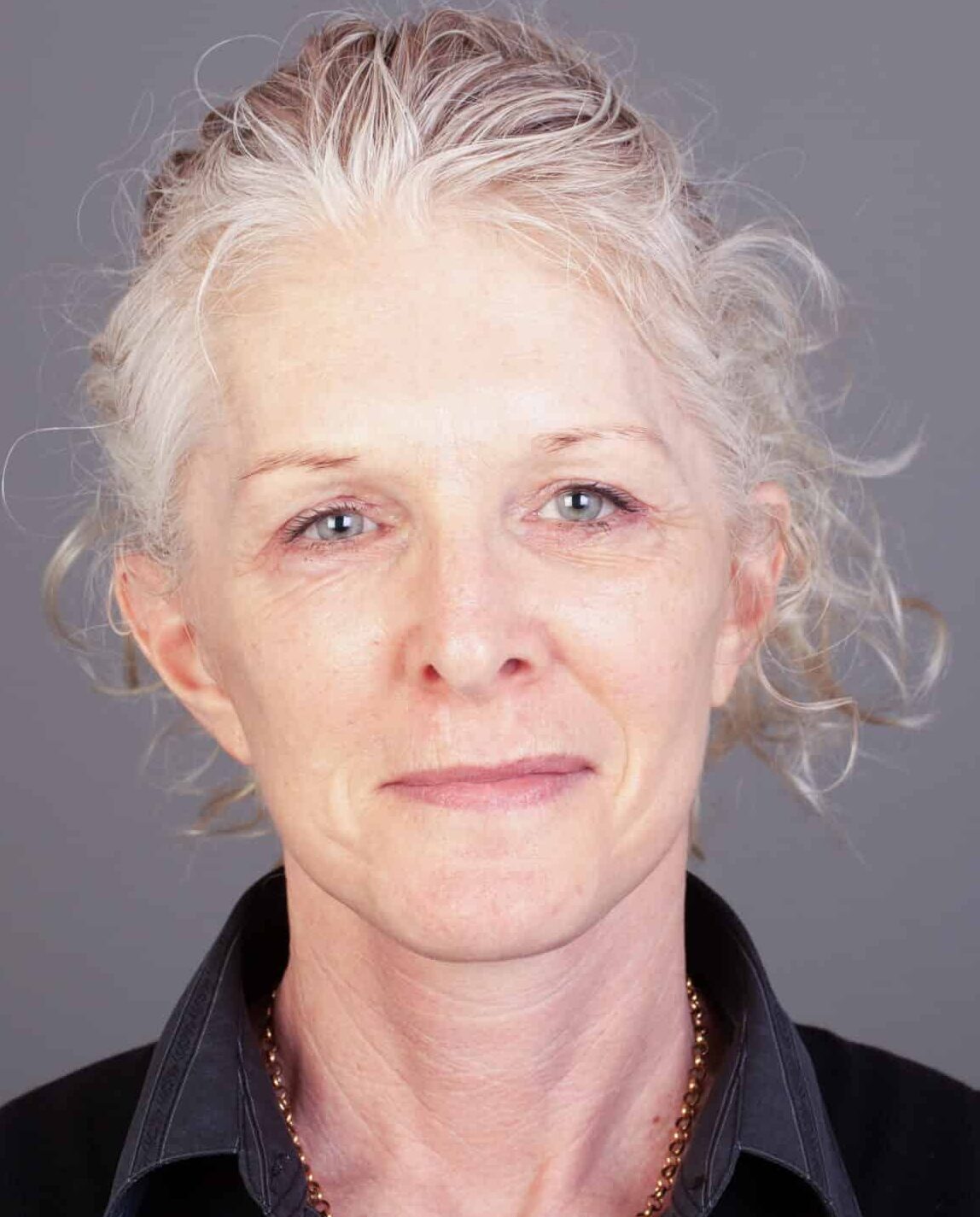
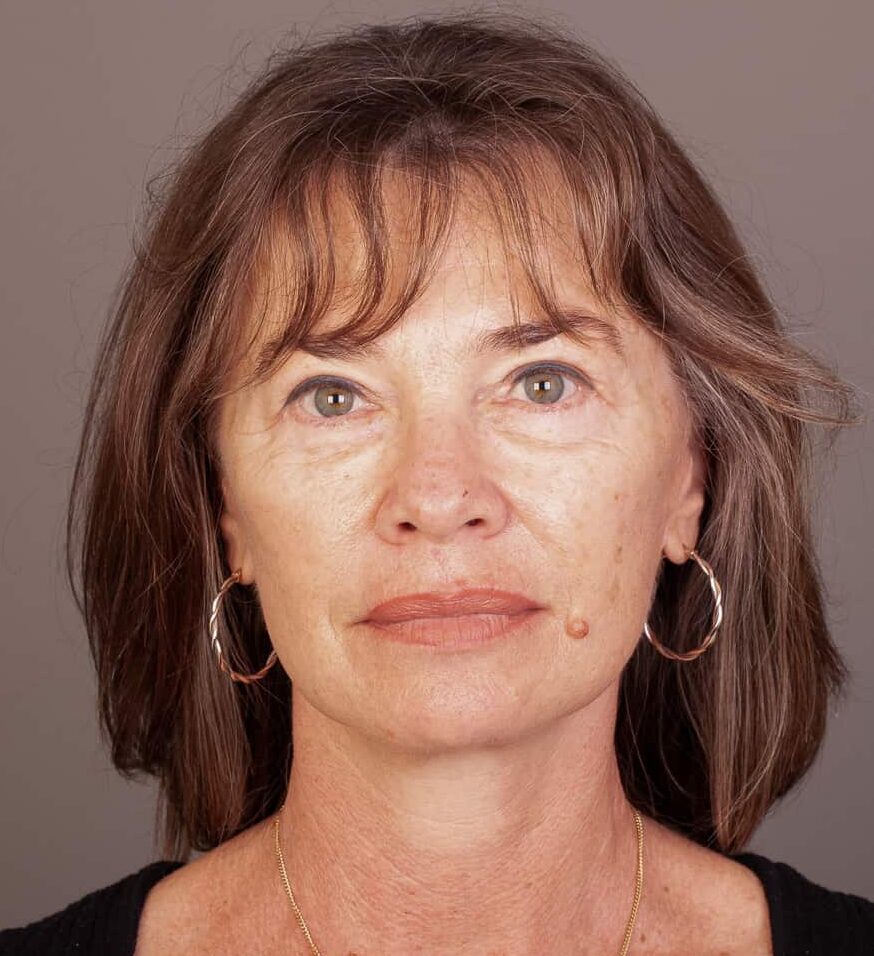
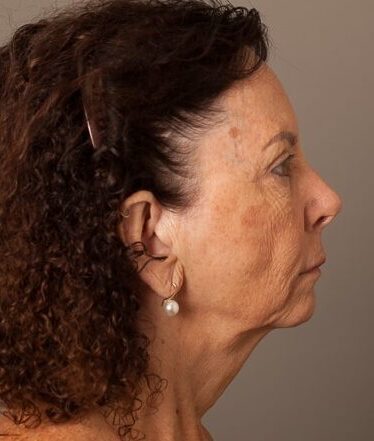
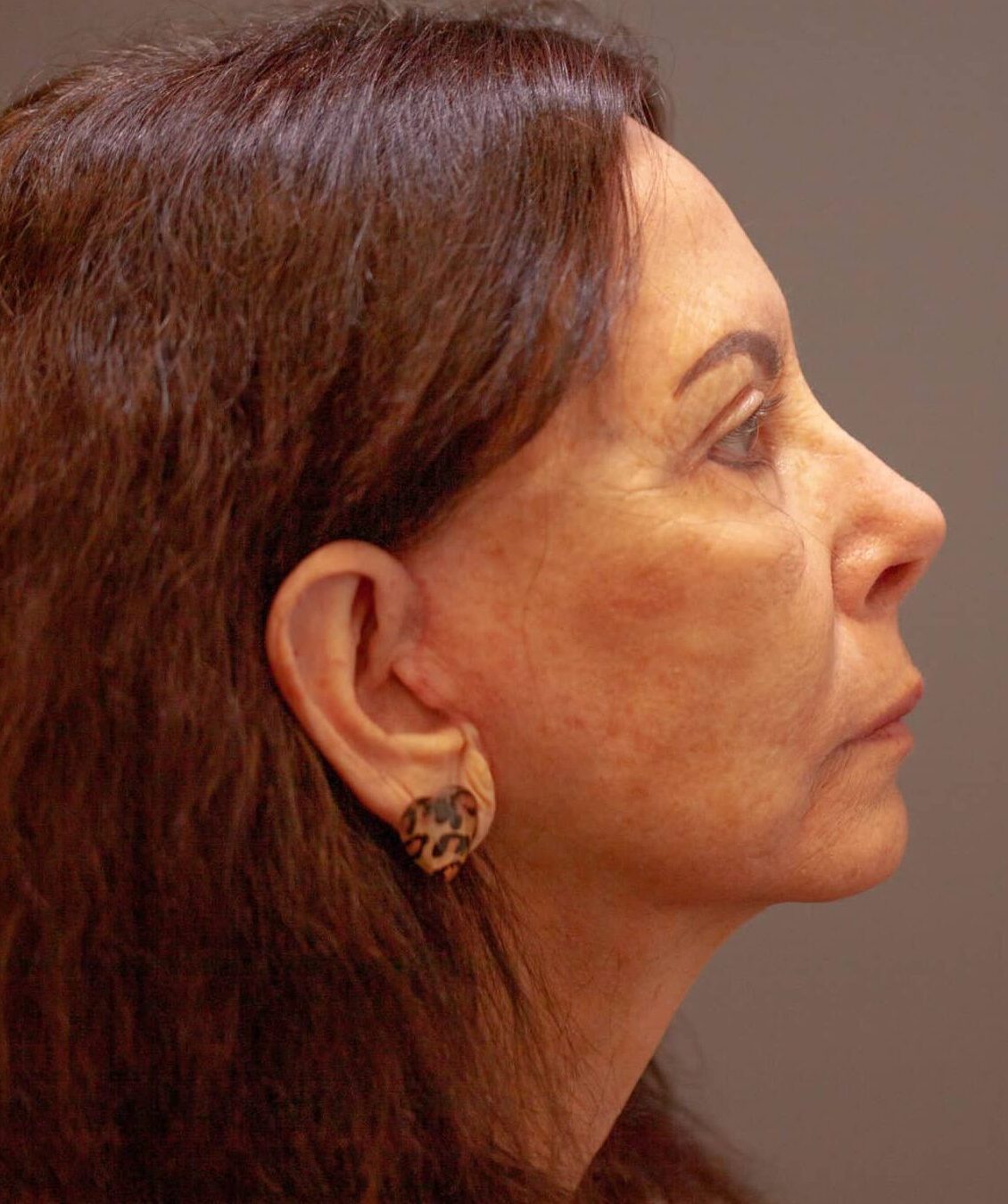
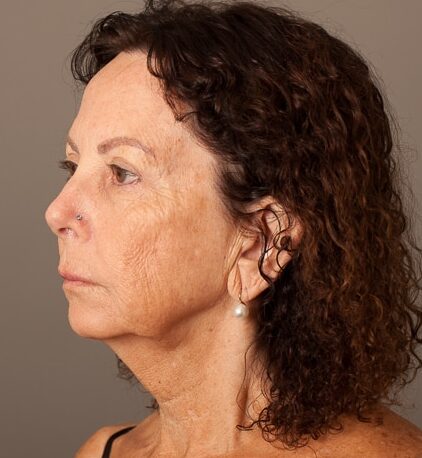
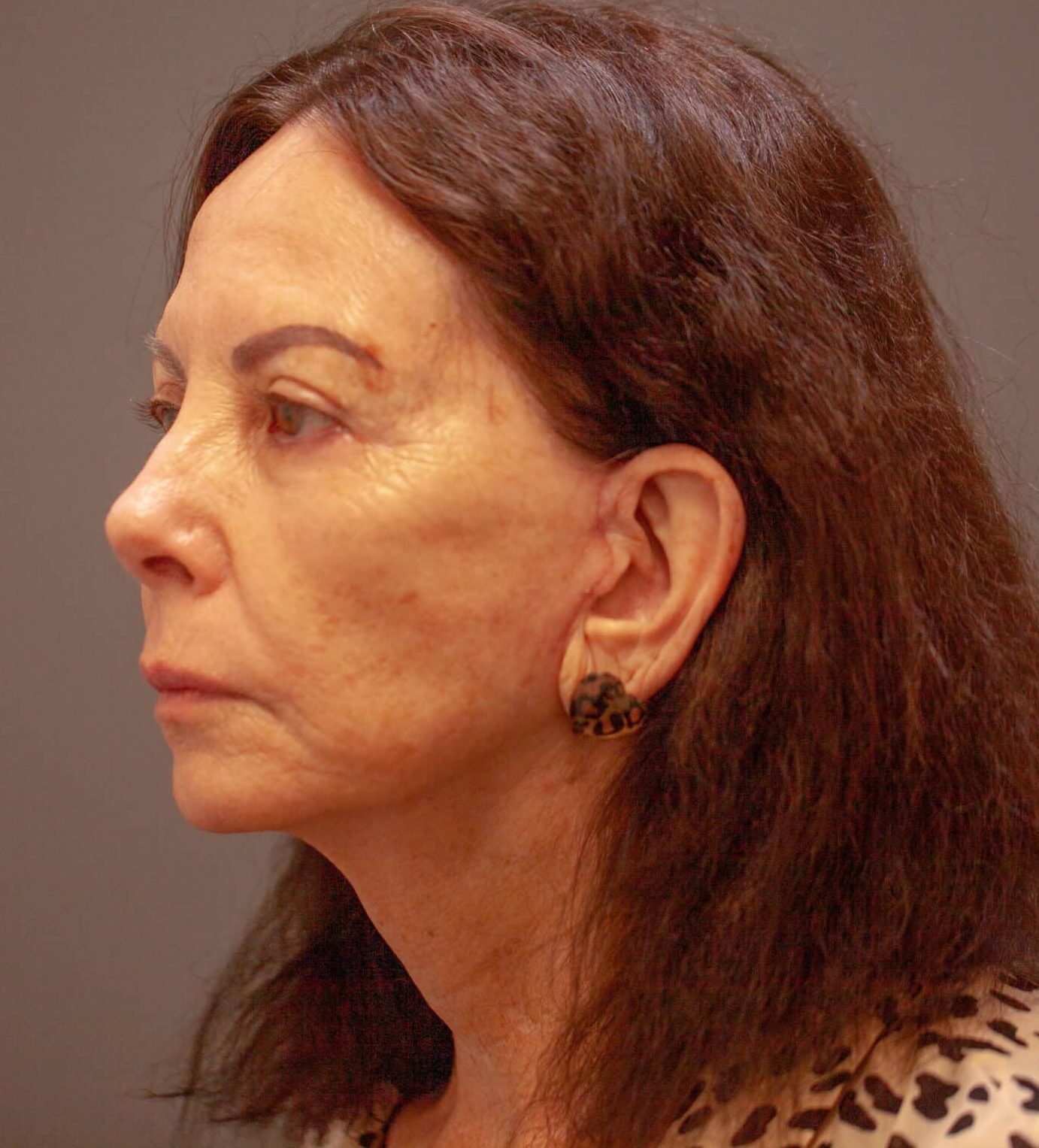
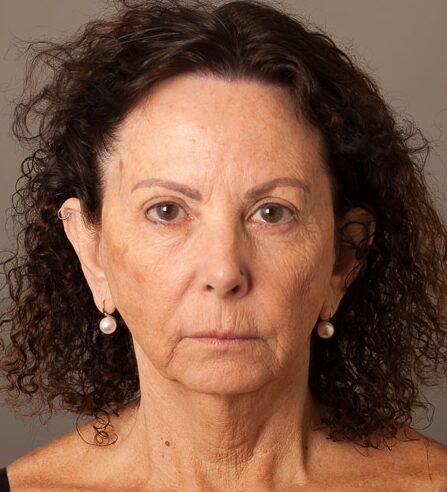
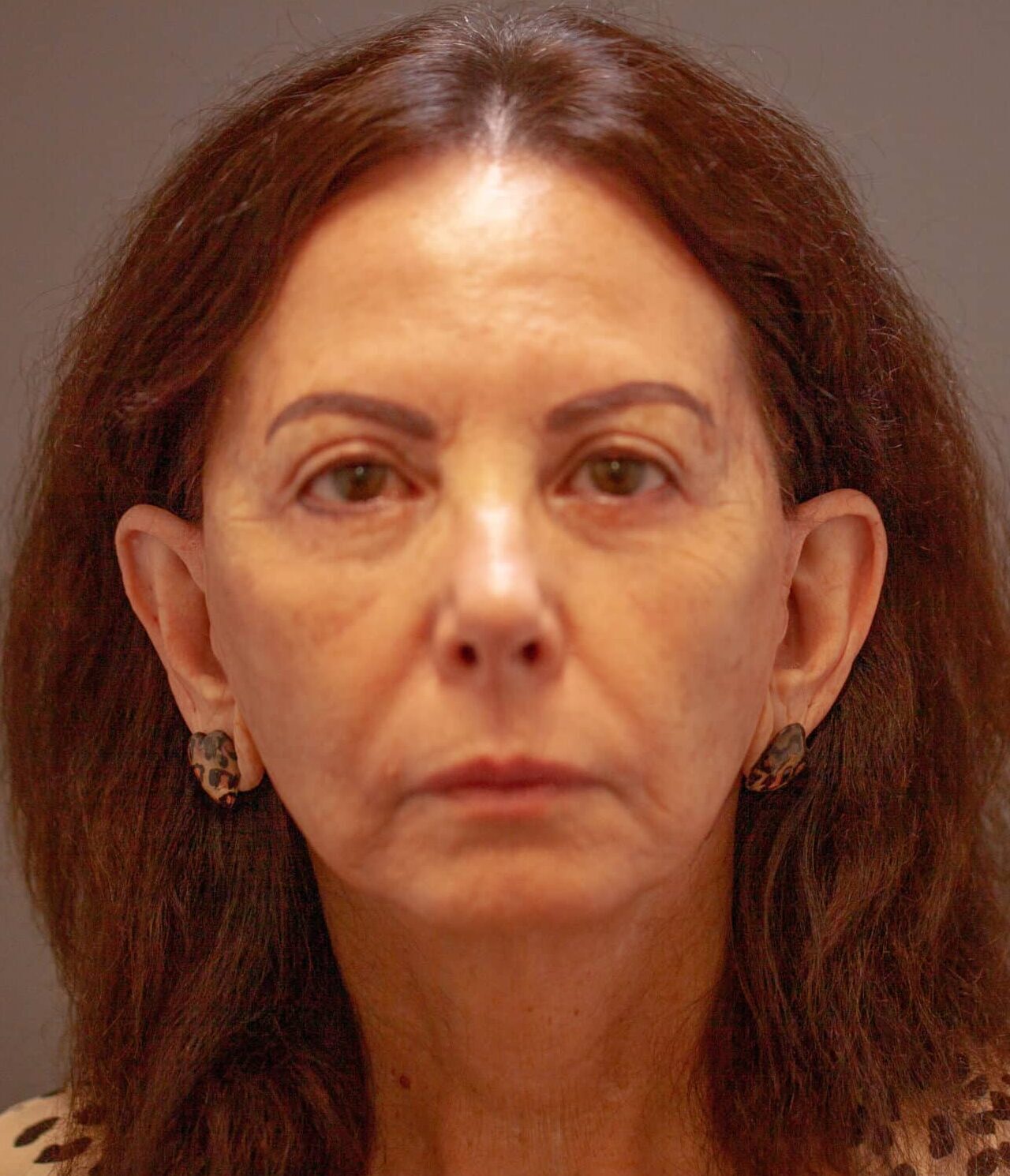
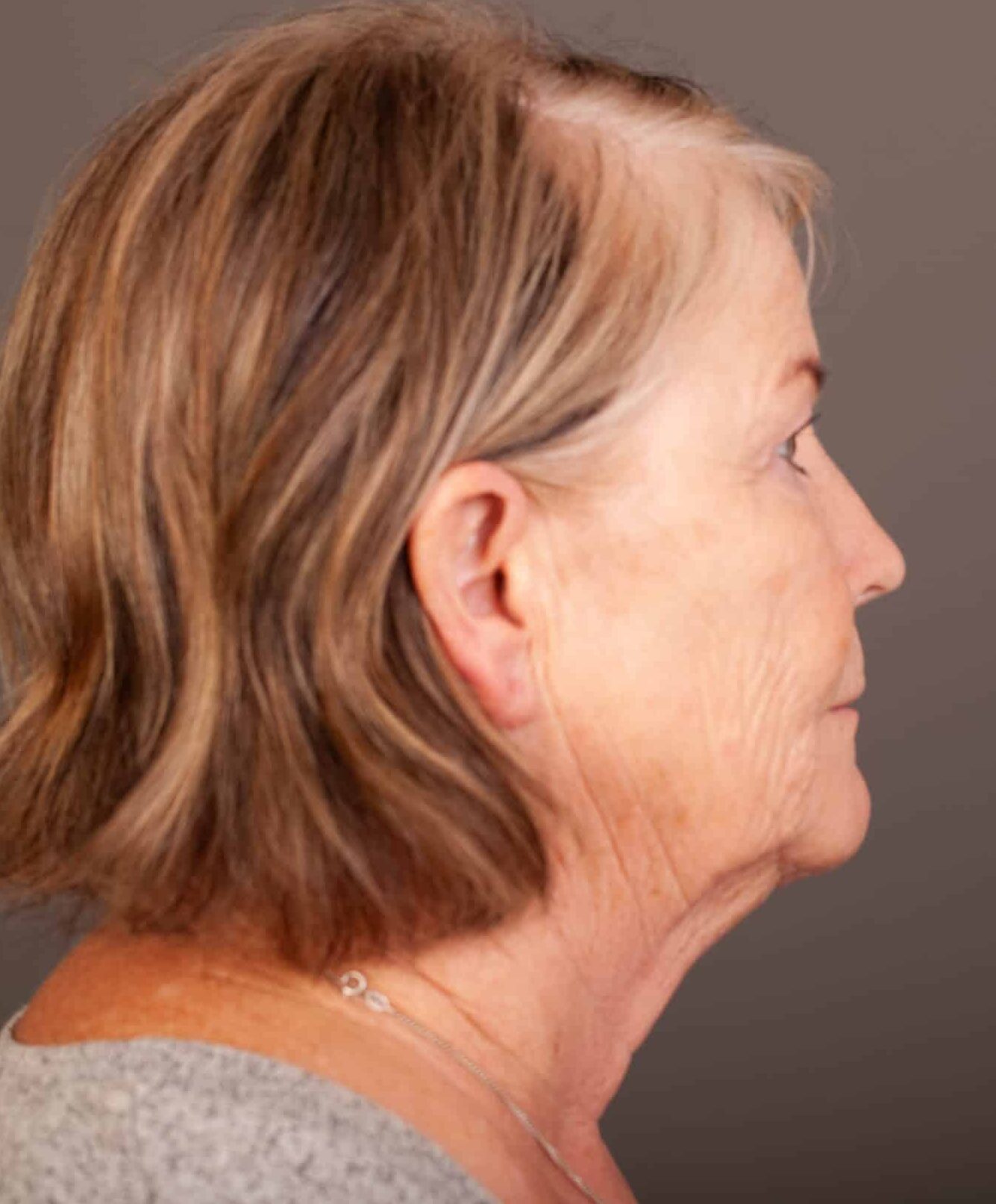
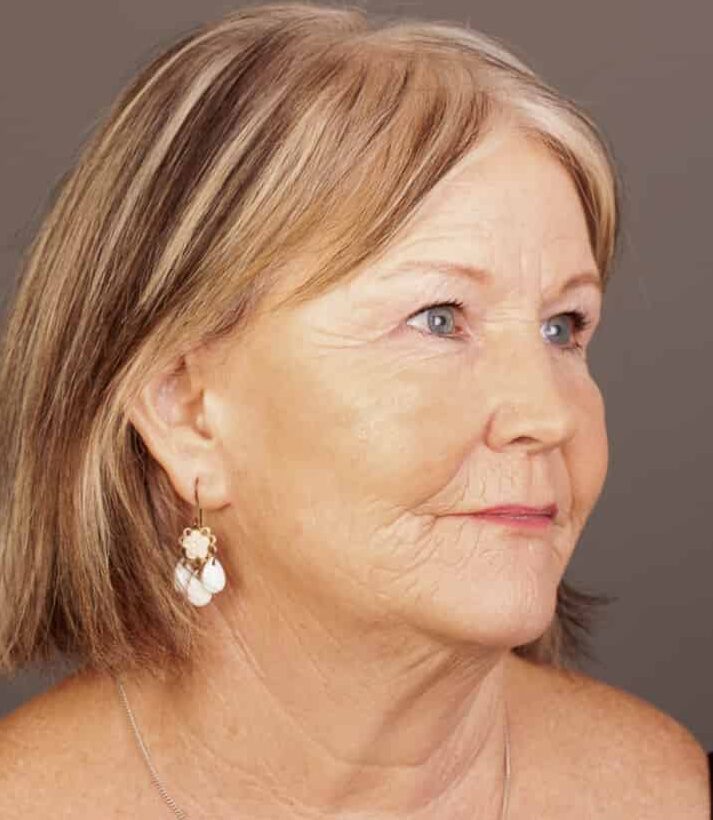
This gallery depicts Dr Doyle’s facelift before and after photos. Looking at before and after face lift pictures is recommended when researching your procedure. Before-and-after photos are provided to illustrate procedures performed by Dr Doyle. These images represent individual cases and results will differ between patients.
Dr Mark Doyle is a Specialist Plastic Surgeon who specialises in facelift surgery on the Gold Coast, Queensland. He also offers face lift surgery to Brisbane, Queensland and Byron Bay, Northern NSW patients, who travel to see him.
Disclaimer: All information on the Dr. Mark Doyle website is general in nature and is not intended to be medical advice, nor does it constitute a doctor-patient relationship. Results can vary significantly and depend on individual patient circumstances. Please be aware that the outcomes shown are specific to those patients and may not necessarily reflect the results others may experience. Individual results can vary due to many factors, including genetics, diet, and exercise. All images on this website, unless specified as real patient images, are graphics used for illustrative purposes only. Surgery risks and complications will be covered in detail during a consultation with your surgeon. Book a consult for details regarding your cosmetic surgery procedure.


Face & Neck Lift
Before and After Photos by Specialist Plastic Surgeon Dr Mark Doyle
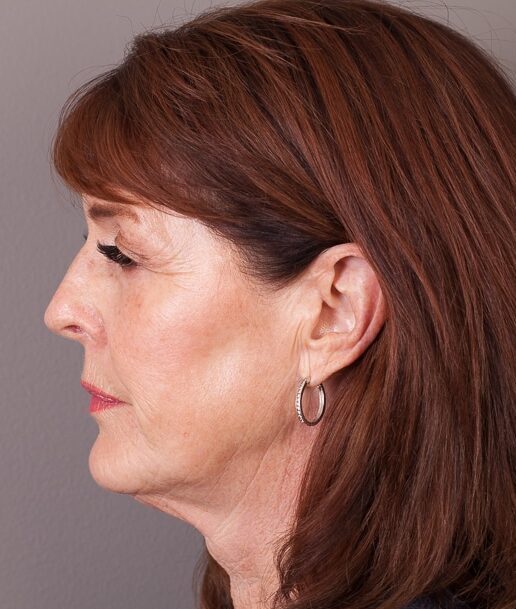
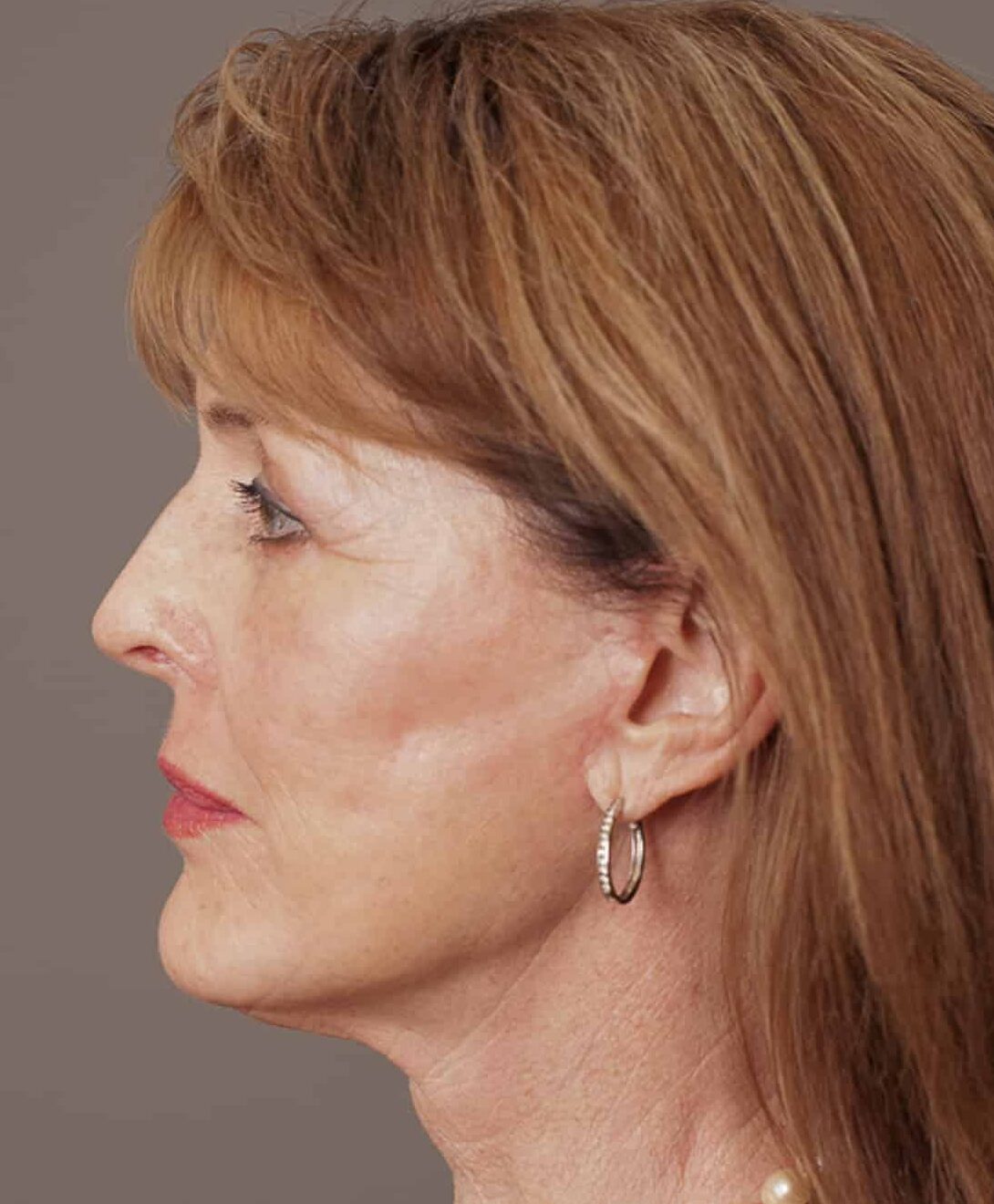
Before
After
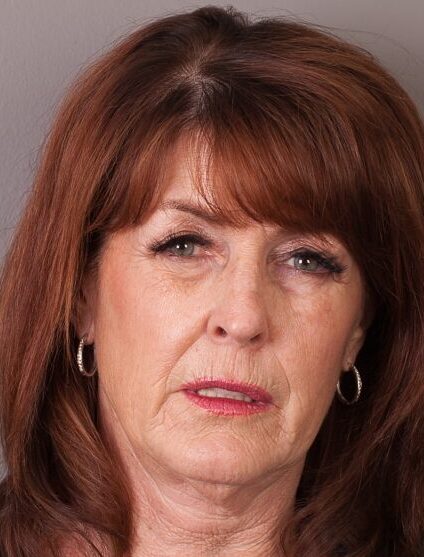
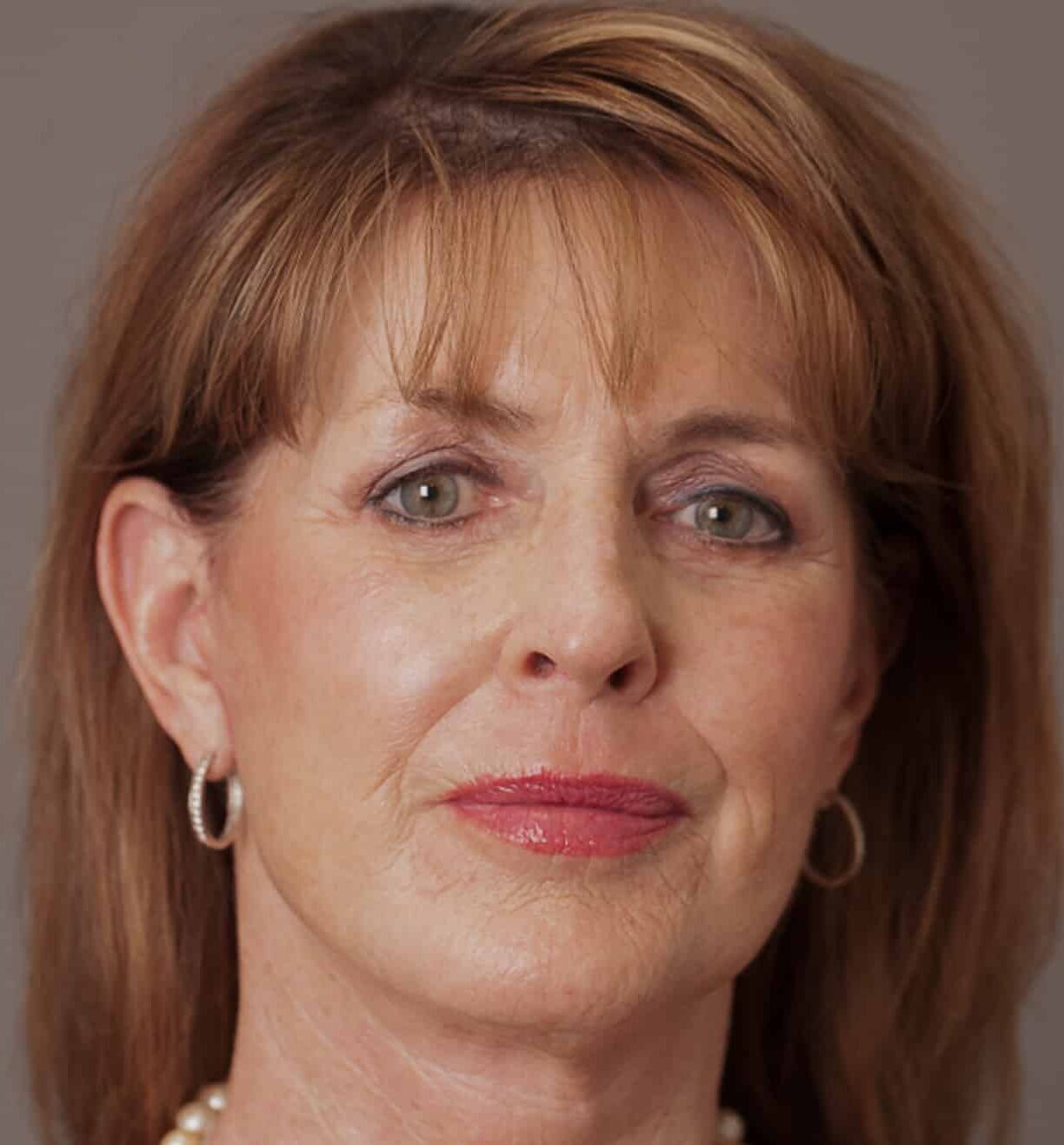
Before
After
Face & Neck Lift
Before and After Photos by Specialist Plastic Surgeon Dr Mark Doyle
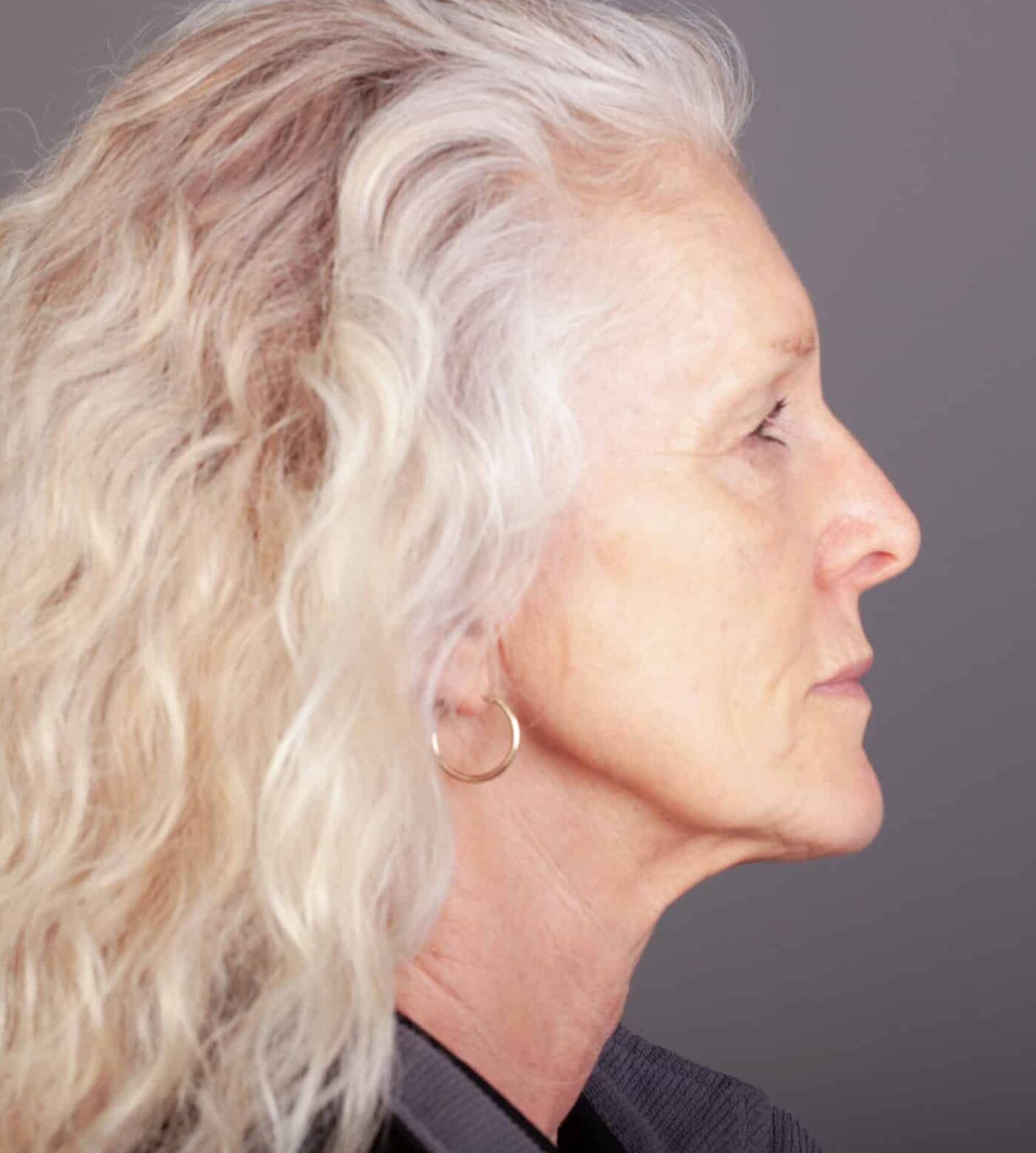
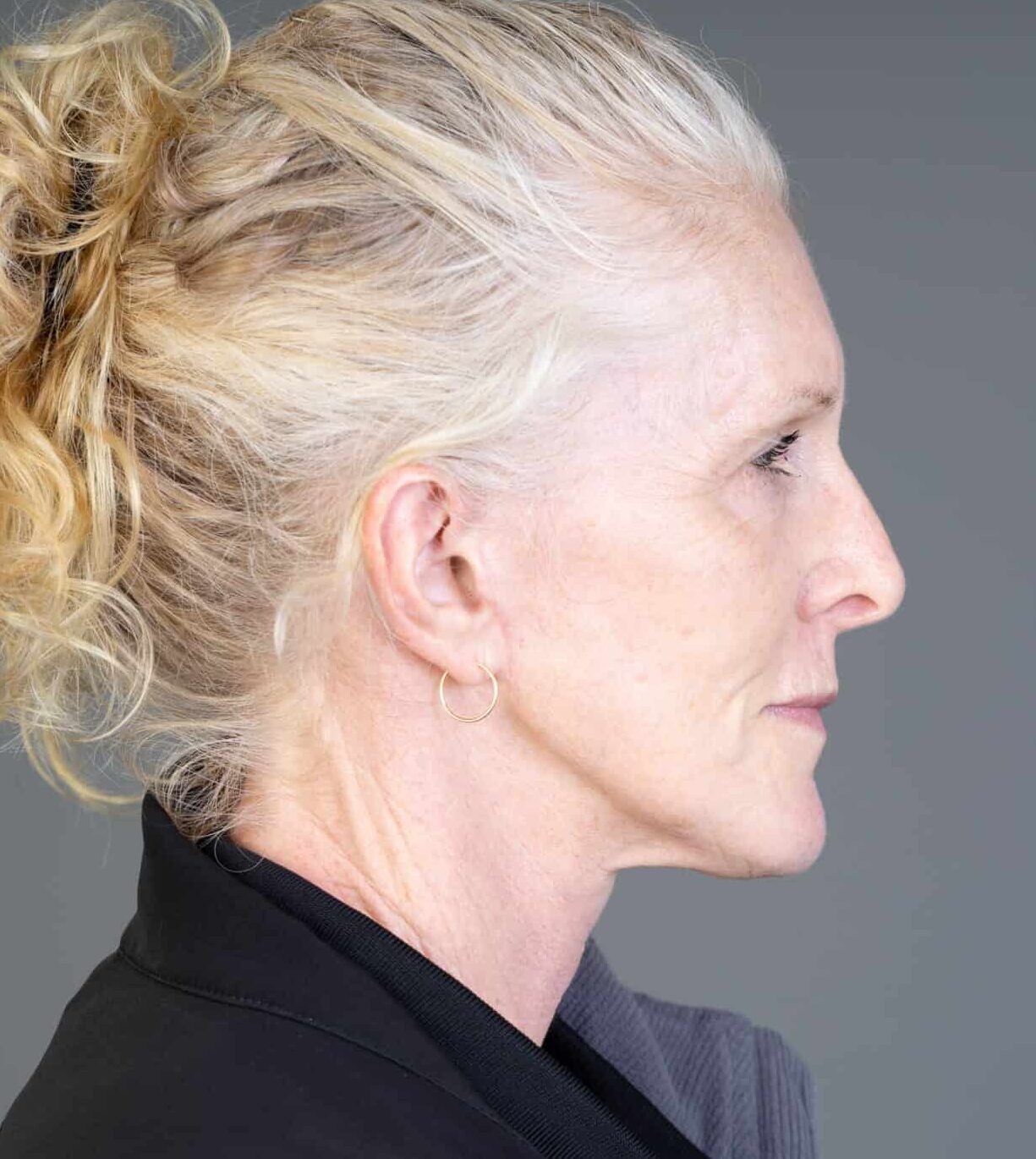
Before
After
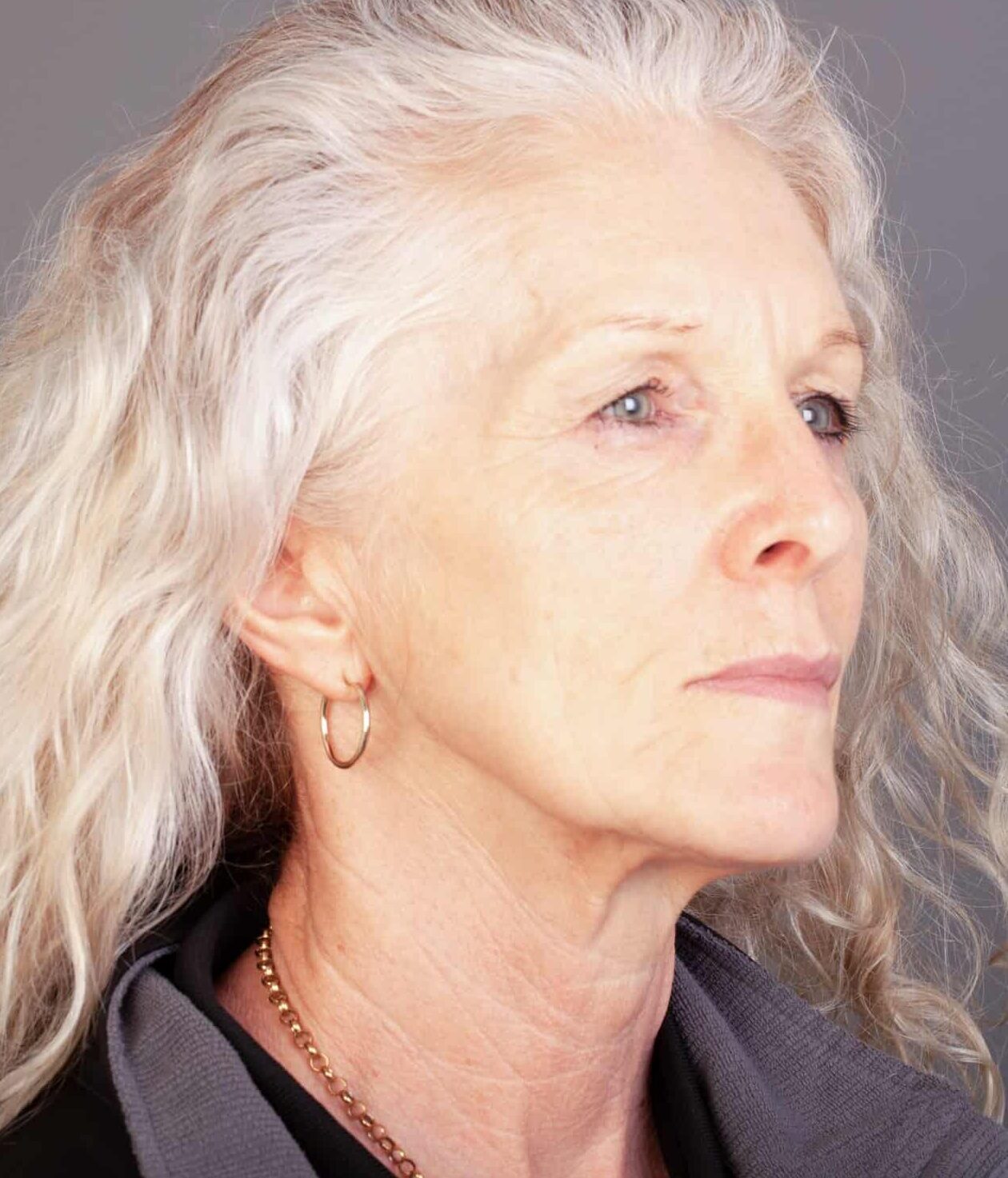
Before
After
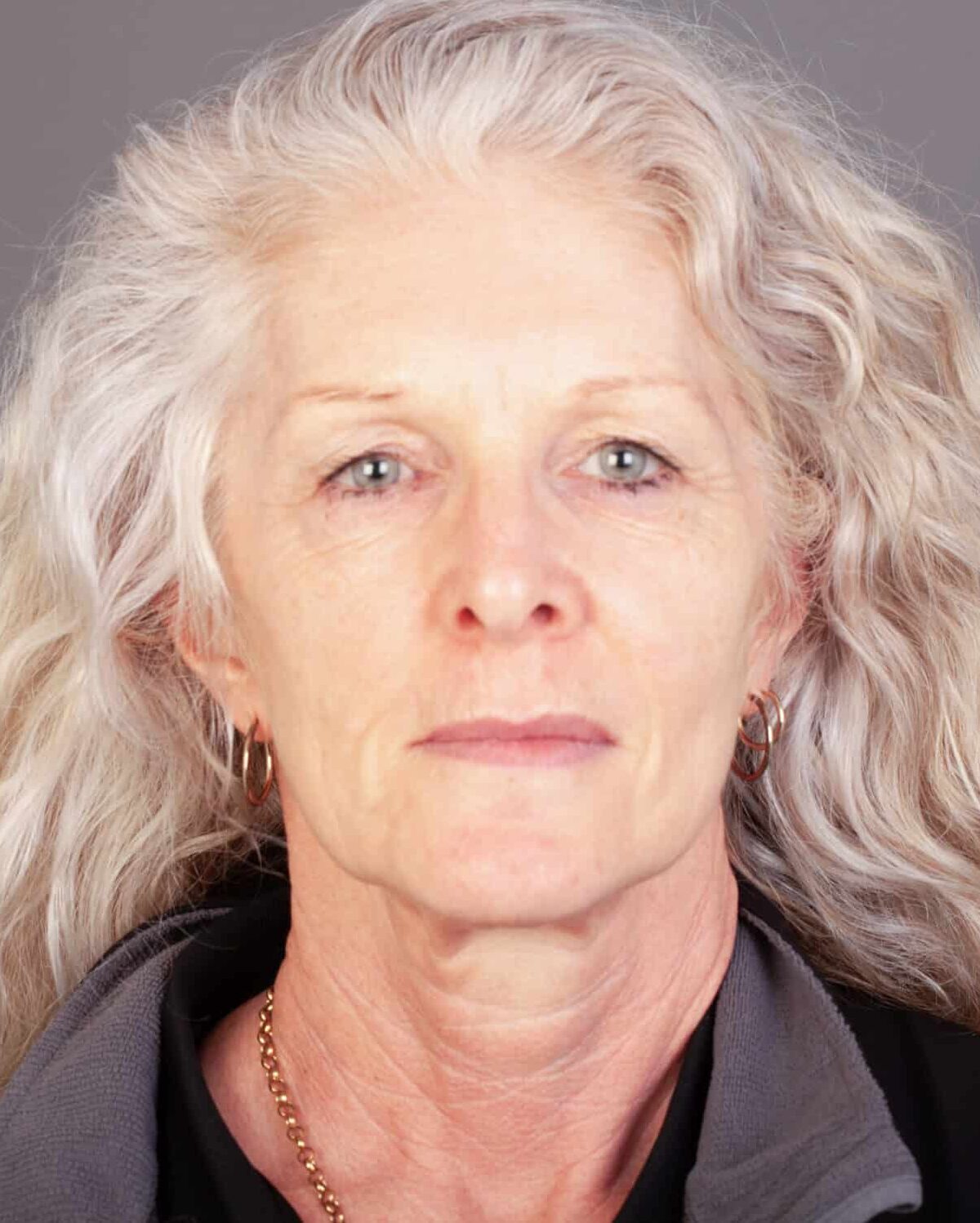
Before
After
Face & Neck Lift
Before and After Photos by Specialist Plastic Surgeon Dr Mark Doyle
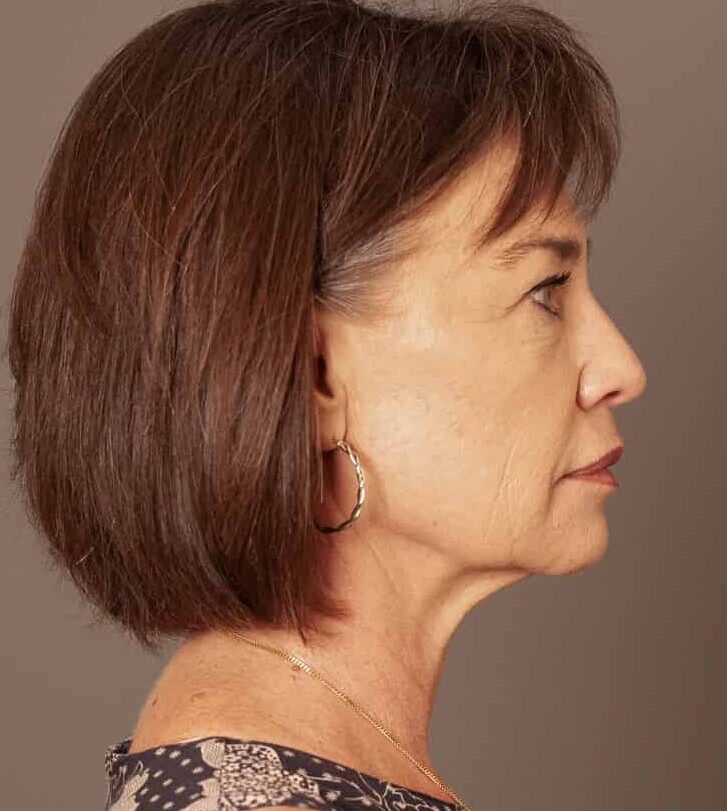
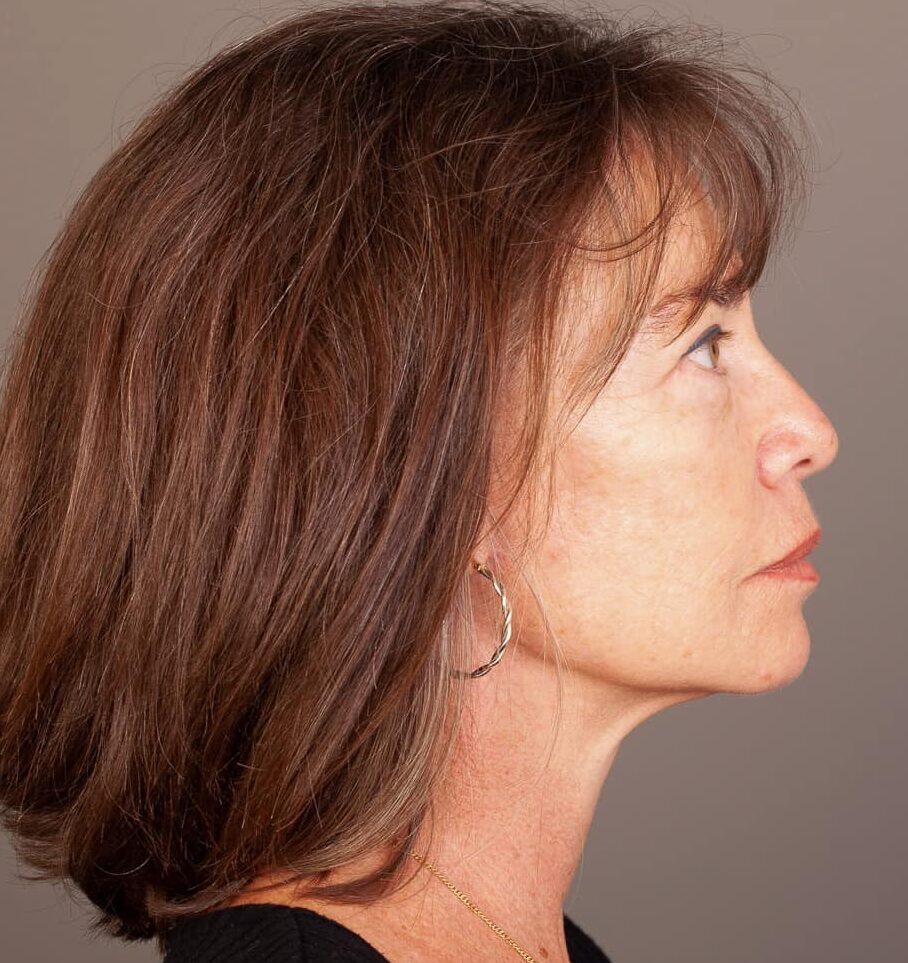
Before
After

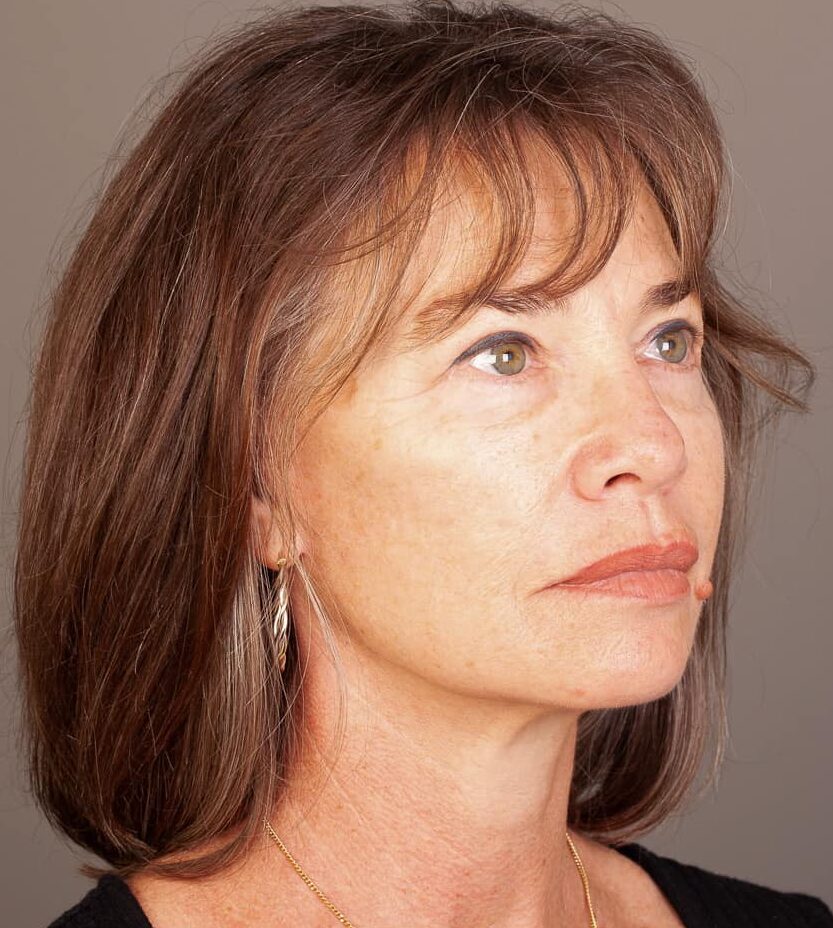
Before
After
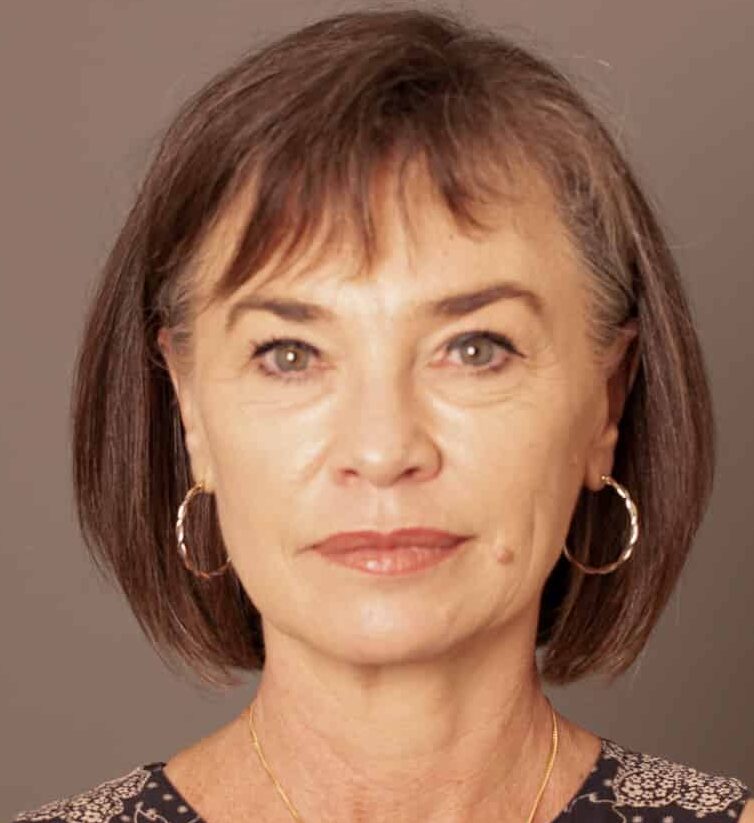
Before
After
Face & Neck Lift
Before and After Photos by Specialist Plastic Surgeon Dr Mark Doyle
Before
After
Before
After
Before
After
Face & Neck Lift
Before and After Photos by Specialist Plastic Surgeon Dr Mark Doyle
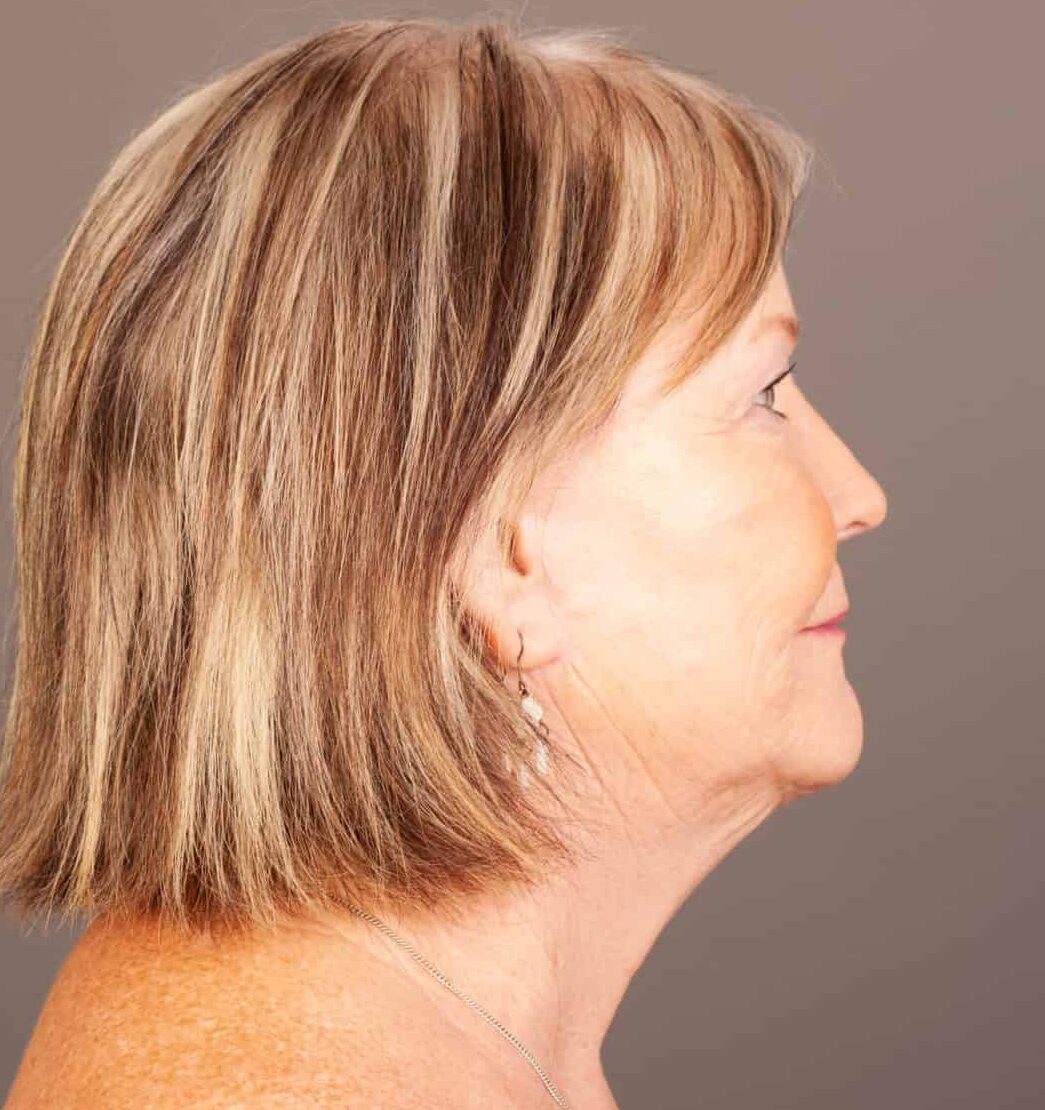
Before
After
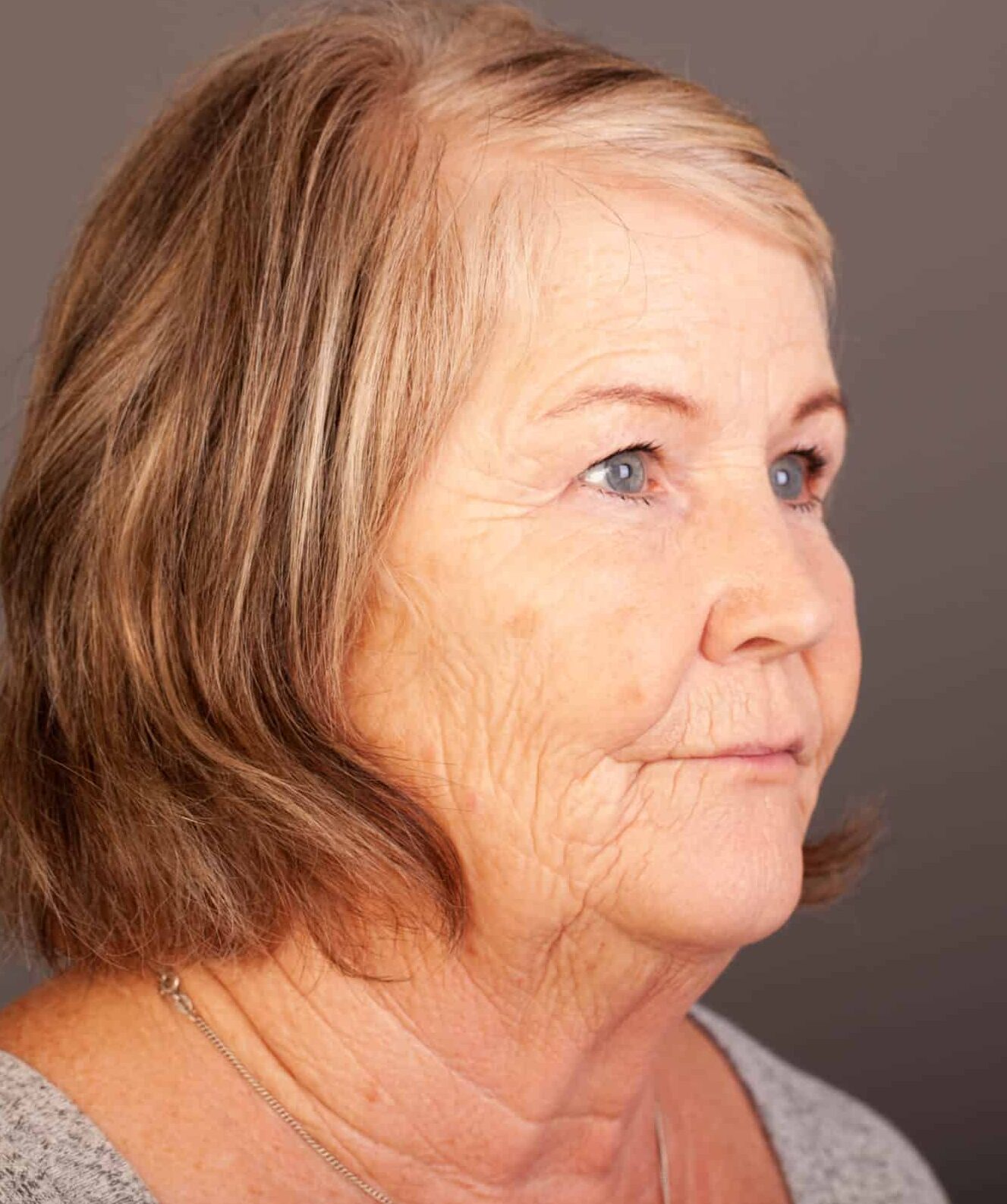
Before
After
See all face and neck lift photos here.
Frequently Asked Questions (FAQs)
Face surgery (facelift) is performed to address excess skin and underlying tissue laxity in the mid and lower face. The procedure involves repositioning deeper facial structures and carefully removing areas of excess tissue to facial contours.
Depending on individual needs and following a consultation with Dr Doyle, surgery may focus on the mid-face, lower face, or both.
The mini facelift, sometimes referred to as an “S-lift,” is designed to address excess skin and mild tissue laxity in the lower face and along the jawline. The procedure involves shorter incisions than a full facelift and focuses on repositioning underlying structures to refine facial contours while supporting your natural features.
Mini face lifts are typically performed on patients under the age of 50, however, individual concerns and aesthetic goals should be discussed in a consultation. During this assessment, Dr Doyle can will discuss your suitability for a mini facelift or a full facelift and determine the most appropriate option. Should there be minimal excess skin or tissue, non-surgical options may also be presented. It is important to note that decisions should only be taken following a thorough discussion in a consultation.
A mini facelift involves a shorter incision and a more limited surgical approach than a full facelift. Incisions are typically placed in front of the ear only. This technique focuses on addressing excess skin in the lower face without deeper repositioning of facial muscles or underlying tissues.
In contrast, a full facelift involves a longer incision and allows for the tightening and repositioning of both the skin and deeper facial layers to address more extensive excess tissue and laxity.
The “S-lift,” also known as a segmental facelift, is a surgical technique that focuses on the lower portion of the face. It involves shorter incisions than a full facelift and addresses excess skin and mild tissue laxity along the jawline and lower cheek.
The procedure is generally performed over a shorter surgical timeframe than a full facelift and is most appropriate for individuals whose facial changes are limited to the lower face. Suitability is always assessed by Dr Doyle during consultation, based on each person’s anatomy and treatment goals.
A deep plane facelift is a surgical technique that repositions the deeper facial layers, including the muscles and connective tissue, to address excess skin and tissue laxity in the mid and lower face. It typically involves releasing and repositioning tissue beneath the SMAS (superficial musculoaponeurotic system) layer.
There are several recognised surgical approaches to face surgery, including the SMAS and deep plane techniques. Each method differs in depth, incision placement and recovery considerations. The most appropriate approach depends on your facial anatomy, areas of concern and desired level of correction.
During your consultation, Dr Doyle will assess your facial structure and discuss which surgical technique best aligns with your individual needs and treatment goals.
The results of face surgery vary between individuals. How long changes remain visible depends on factors such as genetics, skin quality, lifestyle and the natural ageing process. Maintaining general skin health and following post-operative care instructions can help support your results over time.
All facelift procedures involve incisions that result in scars. The incision for a traditional facelift typically begins within the hairline, follows the natural contours in front of the ear, and continues behind the ear.
For a mini facelift, the incision is usually shorter and positioned in front of the ear in an “S” shape that follows the ear’s natural curve.
Scars gradually heal over time, with most continuing to settle and fade within the first 6 to 12 months. The final appearance of scars varies between individuals, depending on factors such as skin type, healing response and adherence to aftercare instructions.
As with any surgery, face lift surgery carries risks and complications.
These risks may include:
- Infection
- Bleeding
- Scarring
- Blood clots
- Delayed wound healing
- Anaesthesia risks
You can read a detailed list of face lift surgery risks and complications here. Facelift risks will be explained to you during your initial consultation. However, you should ensure you understand the risks of general surgery before your consultation.
Face lift is performed under general anaesthesia, in an accredited hospital.
Most face lift patients report only mild discomfort during the first few days post-surgery. This can be managed with careful post-surgery care instructions and pain relief medication.
Next Steps
The first step on your face lift journey is to book a consultation. This appointment allows you to review Dr Doyle’s surgical method, discuss where incisions are typically placed, and learn what may be achievable based on your individual anatomy.
Please note that patients seeking a cosmetic surgery consultation must obtain a referral from their GP, as required under current national guidelines.
To book a consultation, please call us on 07 5598 0988 or fill out our online enquiry form.
About Dr Mark Doyle FRACS (Plast) – Specialist Plastic Surgeon
Dr Mark Doyle is a Specialist Plastic Surgeon with over thirty years of experience. He specialises in face lift surgery in Gold Coast and Brisbane, and also offers a range of body and breast procedures.
Dr Doyle is a fully qualified Doctor and surgeon. He has completed all required training to be a Specialist Plastic Surgeon and is driven by an committed to providing excellent standards of care.
NEXT STEPS
Do Your Research
- Read the Website and Blogs relevant to your procedure
- Read our Frequently Asked Questions
- Learn about the Risks and Complications of Surgery
- Download our Plastic Surgery Guides
- Browse Dr Doyle’s YouTube Channel
What to Bring to Your Plastic Surgeon Consultation
- Bring a friend or relative for support and discussion regarding your choices
- Take notes and read all provided information thoroughly
- Read about what to expect in your Initial Surgery Consultation
Book Your Plastic Surgery Consultation
- Get a Referral from your GP or specialist – this is required to book a consultation with Dr. Doyle.
- Email us or call on 07 5598 0988 to arrange your consultation appointment.
- Pay your $300 Consultation Fee in advance to secure your consultation.
Please contact us to arrange to book a consultation with our Specialist Plastic Surgeon or to speak with our Patient Care Advisor.
Send an enquiry form today or phone 07 5598 0988 during Clinic Hours.
–
*DISCLAIMER: All information on Dr Mark Doyle website is general and is not intended to be medical advice nor does it constitute a doctor-patient relationship. Results can vary significantly and depend on individual patient circumstances. All images on this website, unless specified as real patient images, are stock images used for illustrative purposes only. Surgery risks and complications will be covered in detail during a consultation with your surgeon. Book a consult for details regarding your cosmetic surgery procedure.
Dr. Mark Doyle AHPRA Registration: Dr Mark Doyle MED0001375519 Specialist Plastic Surgery – MBBS FRACS FRCS